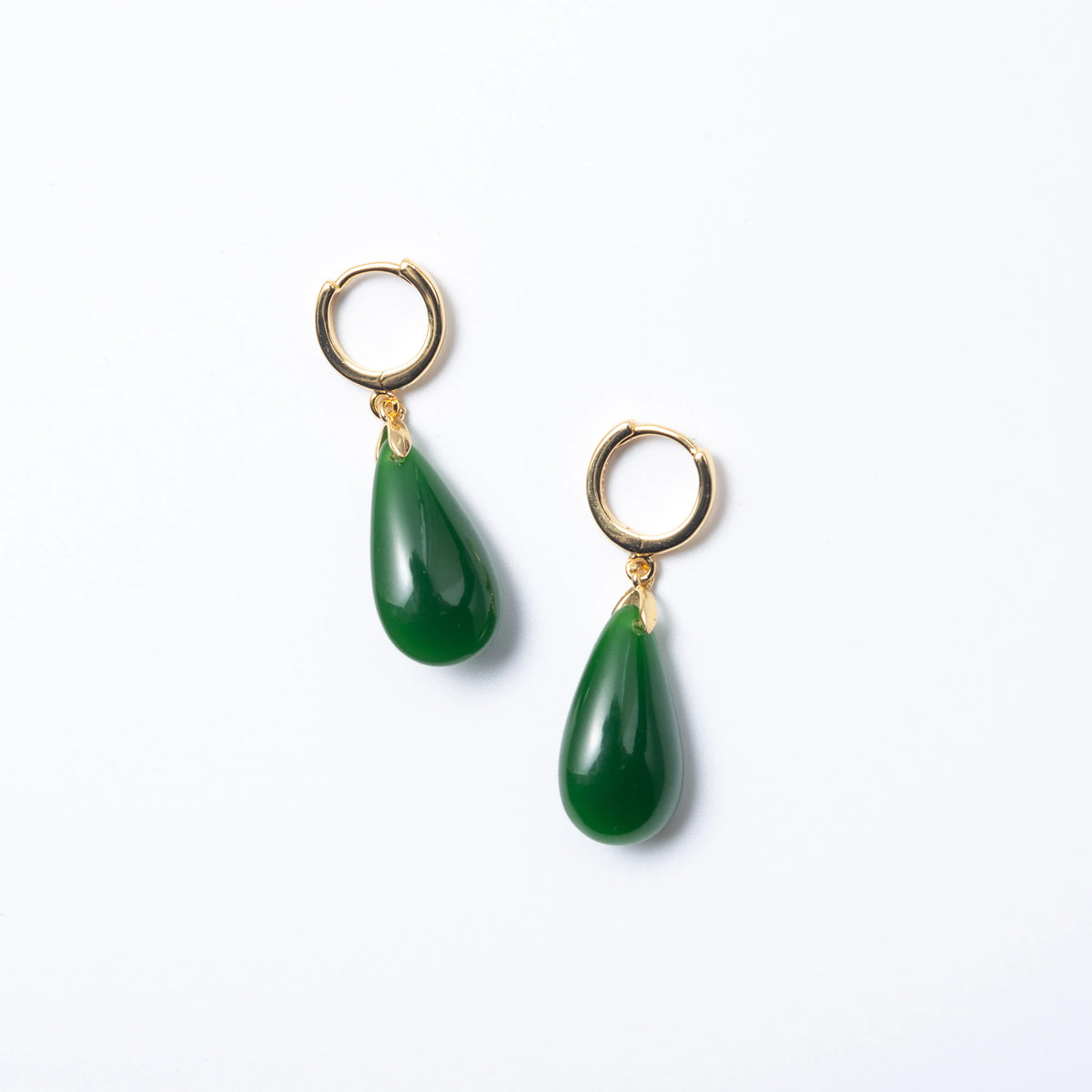

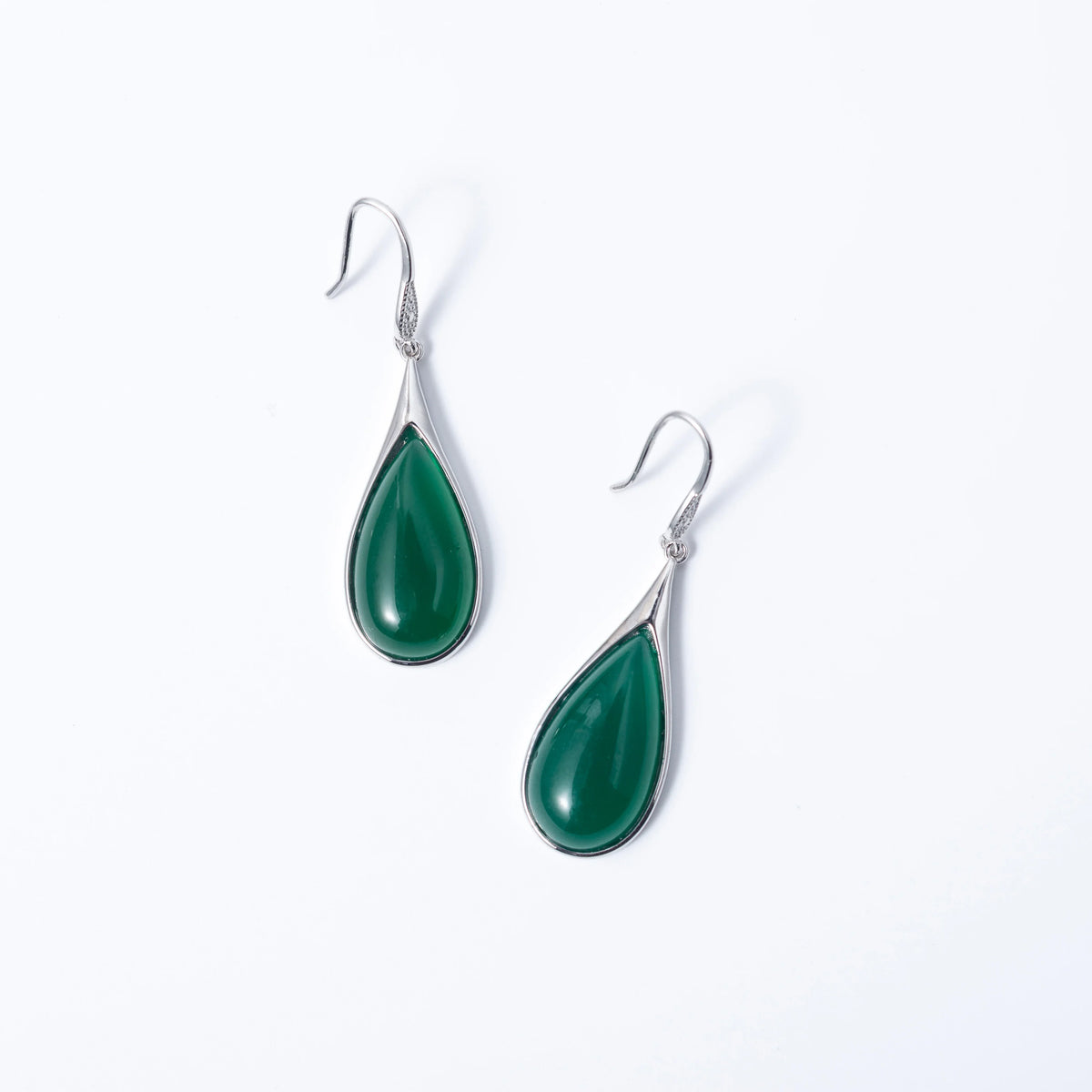


Jade has been admired for centuries, not only for its beauty, but for its durability and meaning. Across cultures, it has symbolized harmony, protection, and strength. Unlike many gemstones, jade is often worn daily, passed down through generations, and chosen with intention.
But as jade jewelry has grown in popularity, so have imitations.
If you’ve ever wondered: “Is this jade real? Why is this piece so affordable? What does Type A jade actually mean?” - You’re not alone.
This guide will walk you through how to tell real vs. fake jade, what “Type A, B, C” means, how home tests work, and when professional certification is worth considering.
Table of Contents
1. What Is Real Jade? (Jadeite vs. Nephrite)
2. Dyed Jade vs. Natural Jade – Type A, B, C Explained
3. How to Tell If Jade Is Real at Home
4. Professional Jade Authentication & Certification
5. Why Is Some Jade So Cheap? (And How Jade Priced Is Decided)
6. How to Buy Real Jade Jewelry Safely
7. FAQ About Real vs. Fake Jade
1. What Is Real Jade? (Jadeite vs. Nephrite)
Before discussing imitations, it helps to understand what qualifies as true jade.
There are only two minerals recognized as real jade:
1). Jadeite
Jadeite is rarer and generally more valuable. It is commonly associated with Burmese jade and is available in a range of colors, including imperial green, lavender, white, and yellow. Jadeite tends to have slightly higher translucency and hardness.
2). Nephrite
Nephrite has been used in Chinese carvings and jewelry for thousands of years. It is extremely tough and durable, often appearing in creamy white (Hetian jade), dark green, or yellow tones.
Both jadeite and nephrite are real jade. Everything else — including glass, dyed quartz, serpentine, and resin composites — is imitation.
Understanding this distinction is the first step in identifying authenticity. Read more to learn how to tell the difference between Jadeite and Nephrite.
2. Dyed Jade vs. Natural Jade – Type A, B, C Explained
When shopping for jade jewelry, you may encounter classifications such as Type A, Type B, or Type C jade. These terms describe whether the stone has been treated.
This is one of the most important concepts for buyers to understand.

1). Type A Jade – Natural & Untreated
Type A jade has not been chemically altered. It may be traditionally waxed and polished, but it has not been bleached or dyed. Structurally, it remains stable and is considered genuine untreated jade.
This is the standard most collectors prefer. If you are also looking for 100% natural and untreated jade jewelry, check out our natural jade flower studs or rose jade earrings.
2). Type B Jade – Bleached & Polymer-Injected
Type B jade is real jadeite that has been acid-treated to remove impurities. It is then infused with polymer resin to improve clarity and color appearance.
While it begins as real jade, the chemical treatment can weaken its internal structure over time.
3). Type C Jade – Dyed
Type C jade has been artificially colored to enhance green, lavender, or other tones. Under magnification, the color may appear concentrated in cracks or unevenly distributed.
4). Type B + C Jade - bleached and dyed
This jade has been both chemically bleached and dyed.
Is Dyed Jade Fake?
Dyed jade is technically real jadeite, but it has been altered. However, many buyers prefer untreated Type A jade because of its long-term stability and natural character.
When people ask if jade is “real,” they may be asking different questions — whether it is true jade, whether it has been treated, or whether it holds value.
3. How to Tell If Jade Is Real at Home

Home tests can provide helpful clues, though they cannot confirm treatment status with certainty. In most cases, buyers start by asking the seller for clear information about the jade’s type, whether it is untreated and if they can provide authenticity certification. If needed, a knowledgeable jeweler can offer additional insight. For higher-value pieces, professional laboratory testing may be considered.
That said, experienced jewelers often look for the following characteristics to decide if it's real jade or :
1). The Light Test
When held up to light, real jade typically shows soft translucency and subtle internal structure. It may appear slightly cloudy or fibrous rather than perfectly clear.
Imitation materials often look overly uniform or glass-like.
Natural jade rarely has perfectly even color. Variations are normal and expected.
2). The Temperature Test
Genuine jade feels cool when first touched and warms gradually. Its density allows it to retain a lower temperature longer than glass or resin.
Many people notice this immediately when holding a jade bangle or pendant.
3). The Sound Test
When two jade pieces are gently tapped together, they produce a clear, resonant tone.
Imitation materials tend to produce a dull or muted sound.
This test should be done carefully to avoid damage.
4). The Hardness Test
Jadeite ranks approximately 6.5–7 on the Mohs hardness scale. It can scratch glass but is difficult to scratch with common metal objects.
Because scratching can damage jewelry, this test is generally not recommended unless performed carefully and discreetly.
5). The Bubble Test
Under magnification, small round air bubbles often indicate glass. Natural jade does not contain spherical bubbles.
A simple 10x jeweler’s loupe can help with inspection.
While these methods help identifying obvious imitations, they cannot determine whether jade has been chemically treated. For that, laboratory analysis is necessary.
4. Professional Jade Authentication & Certification
For higher-value jade pieces, professional certification provides clarity and reassurance.
Recognized gemological laboratories include:
- GIA (Gemological Institute of America)
- AGL (American Gemological Laboratories)
- GRS (GemResearch Swisslab)
- NGTC (National Gemstone Testing Center, China)
Typical Timeline
Most labs return reports within 1 to 3 weeks.
Certification is especially useful when purchasing fine jadeite or investment-level pieces.
Some of our jade jewelry comes with authenticity certificate, such as this pair of Small Teardrop Jade Earrings, or 100% Natural Light Green Jade Lace Teardrop Earrings. If you are wondering if your jade jewelry include an authenticity certificate or not, feel free to contact us.
5. Why Is Some Jade So Cheap? (And How Jade Priced Is Decided)
Jade prices can vary widely. You may see a jade pendant for $20 and another for $2,000 — and both are described as “real jade.”
So how Jade price get decided?
What Affects Jade Price?
While laboratories can confirm whether jade is jadeite or nephrite and whether it has been treated, they do not assign simple global “quality grades” that determine price. Much of jade’s value depends on nuanced visual characteristics — qualities that exist on a spectrum rather than within fixed categories.
Several key factors influence jade pricing:
1). Type of Jade (Jadeite vs. Nephrite)
- Nephrite jade is generally more affordable and widely available.
- Jadeite, especially Burmese jadeite, is rarer and often more valuable.
High-quality jadeite can command significantly higher prices than nephrite.
2). Color
Color plays a major role in jade value.
· Vivid, evenly distributed imperial green jadeite is the most valuable.
· Lavender jadeite can also be highly prized.
· Pale or uneven color is typically less expensive.
Bright neon green stones at very low prices are often dyed.
3). Transparency
More translucent jade (especially jadeite) is usually more valuable.
Opaque jade can still be beautiful and authentic — it’s simply priced differently.
4). Texture & Structure
Fine-grained, smooth texture increases value.
Visible cracks, rough structure, or cloudy inconsistency lower value.
5). Treatment (Type A vs. B vs. C)
Untreated Type A jade is generally more valuable.
Heavily treated Type B or Type C jade is often cheaper because the stone has been altered.
6). Craftsmanship
Hand-carved pieces, smooth finishing, and thoughtful design add value.
Mass-produced pieces cost less due to lower labor investment.
If you see jade jewelry priced unusually low, there are several possible reasons:
It may be serpentine, commonly misidentified as jade; It may be dyed quartz; It may be glass or resin; It may be lower-grade nephrite
Is Real Jade Expensive?
Not all affordable jade is fake. Jade prices vary widely depending on factors such as type, color, transparency, texture, treatment status, and craftsmanship.
Yunnan, China — where SpringCity Dream was founded — sits near Myanmar, home to some of the world’s most well-known jadeite deposits. Growing up in this region, jade was not simply a gemstone; it was part of everyday culture and family heritage.
Many of our pieces are thoughtfully crafted using carefully selected jade and 925 sterling silver sourced from my hometown — a place where jade has long been appreciated for both its beauty and meaning. Read more about our stories.
6. Tips for Finding Real Jade Jewelry
When evaluating jade jewelry, consider the following:
✔️ Confirm whether it is jadeite or nephrite
✔️ Ask whether it is untreated (Type A)
✔️ Request certification if it's important
✔️ Look for natural variations and imperfection
✔️ Be cautious of neon or dramatic colors
Clear information and transparency are often signs of reputable sellers.
7. FAQ About Real vs. Fake Jade
1). Is real jade always expensive?
No. Price depends on type, color, clarity, and treatment. Nephrite is typically more affordable than jadeite.
2). Can real jade break?
Yes. Jade is tough but not indestructible. It can crack if struck forcefully.
3). Is jade cold to the touch?
Yes. Genuine jade feels cool initially and warms slowly.
4). Does real jade contain bubbles?
No. Visible air bubbles usually indicate glass imitation.
5). Is certification necessary?
For everyday jewelry, it may not always be required. For higher-value pieces, certification adds confidence and documentation.
Whether you are purchasing jade for personal wear, as a meaningful gift, or as a long-term keepsake, informed decisions ensure that what you choose truly reflects the qualities jade has represented for generations.
Learn more about jade from our Jade Knowledge Base, or leave a comment below if you would like to share your thoughts.